iDexis
  • About
  • Services
  • Orders
  • Product Range
  • Blog
  • Clients
  • Contact us
Sleep: The Overlooked Pillar of Health
Pippa Spies (Pharmacist) Uncategorised 17 March 2026 0 minutes read

Sleep: The Overlooked Pillar of Health

A healthy diet and regular physical activity are widely recognised as the foundation of good health, while the role of sleep is comparatively overlooked by society. Indeed, good-quality sleep is a fundamental component of a healthy lifestyle. Sleep is often associated with its effects on mood, stress tolerance, and cognitive performance, but its physiological influence extends far beyond these functions. Adequate sleep is essential for numerous biological processes, including hormone regulation, weight and blood glucose control, immune function, mental health, and tissue repair, among others.

Because sleep underpins so many physiological systems, insufficient sleep can have widespread effects on health and daily functioning. When sleep is consistently inadequate, the body effectively enters a state of chronic physiological stress. As a result, many individuals actively seek interventions to improve their sleep. Sedative-hypnotic medications are therefore frequently requested in South African pharmacies. And, in clinical practice, it is not uncommon for patients to express greater concern about forgetting their prescribed sleep medication when travelling than about leaving behind medications for conditions such as hypertension or diabetes. These patterns reflect the growing societal burden of insufficient and poor-quality sleep.

Over time, several factors have contributed to declining sleep quantity and quality. A major driver is the constant, 24/7 access to social media - a psychological stressor - delivered through electronic devices, which are themselves disruptive to healthy sleep. At the same time, “hustle culture” and a growing tendency to stay up late to reclaim personal time after work have further eroded sleep duration. Consequently, prioritising adequate, high-quality sleep has become more important than ever, both at an individual and societal level.

Sleep hygiene is the first-line strategy aimed at improving sleep quality. Key practices include maintaining a consistent bedtime, reducing screen exposure before sleep, avoiding late meals, and creating a comfortable sleep environment. However, for some individuals, particularly those experiencing high levels of stress, these measures alone may not be sufficient. Fortunately, there are additional approaches that can support better sleep without immediately resorting to hypnotic sleep medications.

Magnesium supplementation is one such strategy that may support improved sleep. Magnesium is involved in more than 300 enzymatic reactions in the body and plays an important role in nervous system regulation, muscle relaxation, and mental well-being. Despite its importance, magnesium deficiency or suboptimal intake is relatively common. Supplementation, especially in the evening, may help promote relaxation and support sleep quality. Forms such as magnesium glycinate and magnesium threonate are often preferred due to their favourable absorption and potential calming effects, which may contribute to more restful and restorative sleep.

Other nutraceuticals may also support sleep by promoting relaxation and reducing stress. L-theanine, an amino acid naturally found in green tea, is known for its calming effects on the nervous system. It has been shown to promote relaxation without causing sedation, partly by increasing alpha brain wave activity and modulating neurotransmitters involved in stress and sleep regulation. As a result, L-theanine may help reduce anxiety and support the transition into sleep.

Similarly, ashwagandha (Withania somnifera), an adaptogenic herb widely used in traditional medicine, may support sleep by helping to regulate the body’s stress response. Ashwagandha has been shown to lower cortisol levels and improve resilience to stress, which can be particularly beneficial for individuals whose sleep difficulties are driven by chronic stress or heightened physiological arousal. Emerging evidence suggests that supplementation may improve both sleep quality and sleep onset in some individuals.

In a different approach, melatonin may be used to help regulate the circadian rhythm. Melatonin is a hormone naturally released by the body at night that signals the onset of sleep and helps coordinate the sleep-wake cycle. Exogenous melatonin supplementation can mimic this physiological signal, making it particularly useful in situations where circadian rhythms are disrupted, such as jet lag.

Conclusion

Sleep is a cornerstone of physical and mental health, yet it remains one of the most neglected aspects of modern lifestyles. While improving sleep hygiene should always be the first step, targeted nutraceuticals and supplements may provide additional support for individuals struggling with sleep disturbances. By recognising the importance of sleep and addressing the factors that disrupt it, individuals can take meaningful steps toward improving both sleep quality and overall health.


Sleep: The Overlooked Pillar of Health
Featured
Pippa Spies (Pharmacist) Uncategorised 17 March 2026 0 minutes read

Sleep: The Overlooked Pillar of Health

A healthy diet and regular physical activity are widely recognised as the foundation of good health, while the role of sleep is comparatively overlooked by society. Indeed, good-quality sleep is a fundamental component of a healthy lifestyle. Sleep is often associated with its effects on mood, stress tolerance, and cognitive performance, but its physiological influence extends far beyond these functions. Adequate sleep is essential for numerous biological processes, including hormone regulation, weight and blood glucose control, immune function, mental health, and tissue repair, among others.

Because sleep underpins so many physiological systems, insufficient sleep can have widespread effects on health and daily functioning. When sleep is consistently inadequate, the body effectively enters a state of chronic physiological stress. As a result, many individuals actively seek interventions to improve their sleep. Sedative-hypnotic medications are therefore frequently requested in South African pharmacies. And, in clinical practice, it is not uncommon for patients to express greater concern about forgetting their prescribed sleep medication when travelling than about leaving behind medications for conditions such as hypertension or diabetes. These patterns reflect the growing societal burden of insufficient and poor-quality sleep.

Over time, several factors have contributed to declining sleep quantity and quality. A major driver is the constant, 24/7 access to social media - a psychological stressor - delivered through electronic devices, which are themselves disruptive to healthy sleep. At the same time, “hustle culture” and a growing tendency to stay up late to reclaim personal time after work have further eroded sleep duration. Consequently, prioritising adequate, high-quality sleep has become more important than ever, both at an individual and societal level.

Sleep hygiene is the first-line strategy aimed at improving sleep quality. Key practices include maintaining a consistent bedtime, reducing screen exposure before sleep, avoiding late meals, and creating a comfortable sleep environment. However, for some individuals, particularly those experiencing high levels of stress, these measures alone may not be sufficient. Fortunately, there are additional approaches that can support better sleep without immediately resorting to hypnotic sleep medications.

Magnesium supplementation is one such strategy that may support improved sleep. Magnesium is involved in more than 300 enzymatic reactions in the body and plays an important role in nervous system regulation, muscle relaxation, and mental well-being. Despite its importance, magnesium deficiency or suboptimal intake is relatively common. Supplementation, especially in the evening, may help promote relaxation and support sleep quality. Forms such as magnesium glycinate and magnesium threonate are often preferred due to their favourable absorption and potential calming effects, which may contribute to more restful and restorative sleep.

Other nutraceuticals may also support sleep by promoting relaxation and reducing stress. L-theanine, an amino acid naturally found in green tea, is known for its calming effects on the nervous system. It has been shown to promote relaxation without causing sedation, partly by increasing alpha brain wave activity and modulating neurotransmitters involved in stress and sleep regulation. As a result, L-theanine may help reduce anxiety and support the transition into sleep.

Similarly, ashwagandha (Withania somnifera), an adaptogenic herb widely used in traditional medicine, may support sleep by helping to regulate the body’s stress response. Ashwagandha has been shown to lower cortisol levels and improve resilience to stress, which can be particularly beneficial for individuals whose sleep difficulties are driven by chronic stress or heightened physiological arousal. Emerging evidence suggests that supplementation may improve both sleep quality and sleep onset in some individuals.

In a different approach, melatonin may be used to help regulate the circadian rhythm. Melatonin is a hormone naturally released by the body at night that signals the onset of sleep and helps coordinate the sleep-wake cycle. Exogenous melatonin supplementation can mimic this physiological signal, making it particularly useful in situations where circadian rhythms are disrupted, such as jet lag.

Conclusion

Sleep is a cornerstone of physical and mental health, yet it remains one of the most neglected aspects of modern lifestyles. While improving sleep hygiene should always be the first step, targeted nutraceuticals and supplements may provide additional support for individuals struggling with sleep disturbances. By recognising the importance of sleep and addressing the factors that disrupt it, individuals can take meaningful steps toward improving both sleep quality and overall health.


Considerations for Testosterone Replacement Therapy (TRT)
Featured
Pippa Spies (Pharmacist) Uncategorised 18 February 2026 0 minutes read

Considerations for Testosterone Replacement Therapy (TRT)

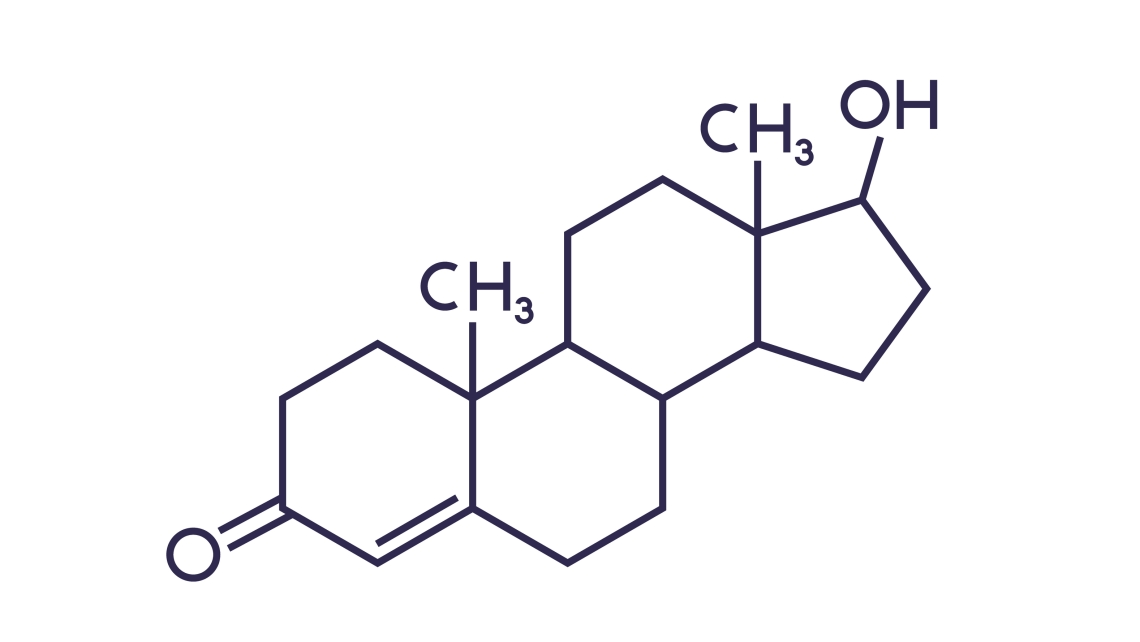
Testosterone is a vital hormone in both men and women. When testosterone levels fall below the normal physiological range, individuals may experience symptoms such as reduced libido, altered mood, fatigue, erectile dysfunction, anaemia, decreased muscle mass, reduced bone density, and a diminished sense of well-being. Although testosterone levels naturally decline with age, low testosterone is increasingly recognised in younger individuals. Levels may also be affected by obesity, metabolic disease, chronic illness, certain medications, and physical trauma.

Testosterone replacement therapy (TRT) is increasingly used as a treatment for individuals experiencing symptoms of low testosterone. The primary goal of TRT is to restore testosterone levels to the normal physiological range, thereby improving symptoms and mitigating the long-term health implications associated with deficiency. When appropriately prescribed, TRT can significantly enhance quality of life; however, it is not a one-size-fits-all solution.

Several formulations of TRT are available, each with specific advantages and limitations. Clinical response, serum testosterone levels, patient preference, and individual risk factors should guide dosing and formulation selection.

Oral testosterone preparations, including bioidentical formulations, offer convenience for some patients. However, because oral therapy undergoes first-pass liver metabolism, bioavailability may be variable, and it is therefore not typically considered first-line therapy in many treatment protocols.

Transdermal creams and gels are commonly used because they allow flexible dosing and relatively stable testosterone levels over a 24-hour period. These preparations are often compounded and can be tailored to individual dosing requirements. Transdermal formulations are particularly useful for rapidly correcting low serum testosterone levels, and levels decline promptly once therapy is discontinued. Clinical evidence suggests that transdermal TRT is especially effective in improving sexual function symptoms. With topical formulations, patients must wash their hands thoroughly after application to prevent unintentional transfer to others.

Intramuscular injections are another widely used option. In South Africa, testosterone cypionate and testosterone undecanoate are registered forms. These esterified forms are oil-soluble, making them suitable for depot intramuscular injection. Testosterone cypionate has a shorter half-life (approximately 8 days), allowing for easier dose titration but often resulting in greater fluctuations in serum testosterone levels between injections. It is frequently preferred during treatment initiation when dose adjustments may be required. In contrast, testosterone undecanoate has a much longer half-life (approximately 34 days), producing more stable serum levels and typically requiring administration every 10–14 weeks. However, its extended duration of action means that adverse effects may take longer to resolve due to a prolonged clearance time.

Regardless of the formulation selected, TRT requires structured and ongoing safety monitoring. Serum testosterone levels should be reassessed after initiation and periodically thereafter to ensure concentrations remain within the physiological range. Haematocrit and haemoglobin should be monitored, as testosterone therapy stimulates erythropoiesis and may lead to elevated haematocrit. Additional monitoring should include prostate health assessments, liver function testing, lipid profiles, and evaluation of overall cardiovascular risk factors.

TRT is contraindicated in individuals with known or suspected prostate or breast cancer, elevated haematocrit, chronic heart failure, or untreated obstructive sleep apnoea. Additionally, men who wish to conceive within the next six to twelve months should avoid TRT, as exogenous testosterone suppresses the hypothalamic-pituitary-gonadal axis and can reduce sperm production.

If symptoms, particularly sexual symptoms, fail to improve within approximately six months despite normalisation of testosterone levels, a careful reassessment of the risk-benefit profile is warranted. Continued therapy without meaningful clinical improvement should prompt evaluation for alternative or contributing causes of symptoms.

Conclusion

When appropriately prescribed and monitored, testosterone replacement therapy can offer substantial and meaningful benefits. For individuals with testosterone deficiency, restoring levels to the physiological range can improve libido and sexual function, enhance mood and motivation, increase muscle mass and strength, support bone density, and correct testosterone-related anaemia. Many patients report improved energy, vitality, and overall quality of life once hormonal balance is re-established.

TRT is not about optimisation beyond normal levels, but about restoring what has been lost. With appropriate diagnostic evaluation, individualised dosing, and structured monitoring, testosterone therapy can be a safe and effective intervention that significantly improves both physical health and emotional well-being.

Supporting Health During GLP-1 Therapy: The Role of Intentional Nutrition and Supplementation
Featured
Pippa Spies (Pharmacist) Uncategorised 04 March 2026 0 minutes read

Supporting Health During GLP-1 Therapy: The Role of Intentional Nutrition and Supplementation

GLP-1 medications have transformed the treatment of obesity and metabolic disease. The primary goal of medical weight loss is to improve health outcomes by achieving and maintaining a healthy body weight. However, GLP-1 therapies appear to produce improvements in metabolic markers that extend beyond what would typically be expected from weight loss alone. For this reason, when used appropriately, these medications have become an important tool in addressing the current burden of metabolic disease.

To optimise both treatment effectiveness and long-term health outcomes, the use of GLP-1 medications should be accompanied by a deliberate and structured approach to fat loss. Understanding how these therapies work highlights why this intentional strategy, particularly with regard to nutrition, is so important. GLP-1 medications regulate appetite, slow gastric emptying, and improve blood glucose control. These effects naturally lead to reduced caloric intake and improvements in cardiometabolic health. However, because appetite is significantly suppressed, overall food intake (and therefore nutrient intake) often declines as well.

When hunger decreases, the nutritional quality of the diet becomes even more important. Individuals must ensure that adequate amounts of protein, micronutrients, and essential fatty acids are still consumed despite eating less. In this context, intentional nutrition plays a key role in protecting lean muscle mass, supporting metabolic function, and maintaining overall health as body fat is reduced.

While a healthy, balanced diet remains the foundation of good nutrition, targeted supplementation can provide additional support during periods of reduced caloric intake. When thoughtfully incorporated, supplements can help maintain nutrient adequacy and support overall health while using GLP-1 medications.

Key supplements to consider include:

Protein, e.g. a whey supplement
Adequate protein intake is essential for preserving lean muscle mass during weight loss, supporting metabolic rate, and promoting satiety.

Magnesium
Supports glucose metabolism, neuromuscular function, and sleep regulation. Suboptimal levels may contribute to fatigue, muscle cramps, and impaired insulin sensitivity.

Vitamin D3
Essential for bone health, immune function, and muscle function. Given the high global prevalence of deficiency, supplementation is often appropriate, particularly during weight loss.

Fibre
Reduced food intake often leads to inadequate fibre consumption. Supplementation can support gastrointestinal health, improve satiety, and assist with glycaemic control.

B Vitamins
Important for cellular energy production, neurological function, and red blood cell formation, helping maintain energy levels during periods of calorie restriction.

Omega-3 Fatty Acids (EPA/DHA)
Support cardiovascular health, help modulate inflammation, and may assist in preserving lean mass, particularly in individuals with elevated cardiometabolic risk.

Conclusion

GLP-1 therapies offer a powerful tool for improving metabolic health and supporting sustainable weight loss. However, their appetite-suppressing effects make it essential to approach nutrition with intention and care. Prioritising nutrient-dense foods, adequate protein intake, and targeted supplementation where appropriate can help ensure that reduced caloric intake does not compromise overall health. By combining medical therapy with thoughtful nutritional strategies, individuals can maximise the benefits of GLP-1 medications while protecting metabolic function, preserving lean mass, and supporting long-term wellbeing.

Featured
Pippa Spies (Pharmacist) Uncategorised 12 February 2026 0 minutes read

Introducing the iDEXIS Reusable Pen

iDEXIS Compounding offers a reusable pen that is particularly suitable for patients who use subcutaneous injections regularly, providing a reliable and cost-effective option. iDEXIS can compound a range of products in cartridges that are compatible with the reusable pen.

  1. Which dosage form is best?

Page 2 of 2

  • 1
  • 2
Copyright © 2025 iDEXIS. All Rights Reserved. Designed by iDEXIS
iDexis
  • About
  • Services
  • Orders
  • Product Range
  • Blog
  • Clients
  • Contact us
We use cookies to ensure that we give you the best experience on our website.
I accept